
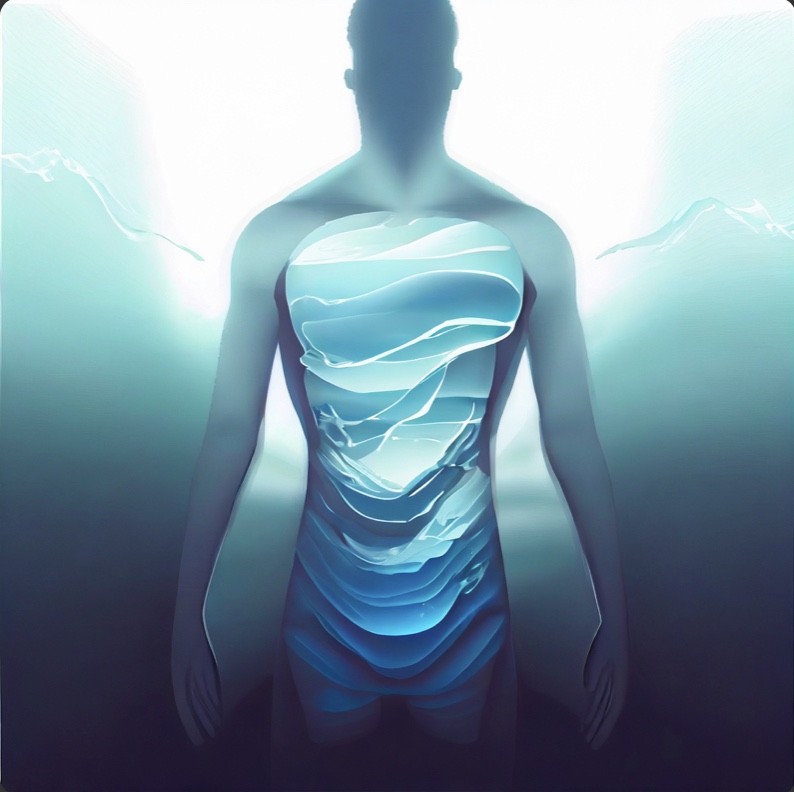
The human body, a marvel of complexity, is comprised of 55-75% water
- Brain: approx. = 73%
- Heart: approx. = 73%
- Bones: approx. = 31%
- Lungs: approx. = 83%
- Kidneys approx. = 79%
- Muscle approx. = 79%
- Skin approx. = 64%
- Blood approx. = 90%
The Science of Hydration and Our Bodies
Hydration/Cellular Hydration: Hydration for the human body is a key function for life. To be properly hydrated our cells need an ongoing supply of water (H2O). Our bodies have built-in mechanisms to govern our hydration/cellular hydration.
http://stopdrinkingdeadwater.com
Hydration Principles of Physiology: Hydration is governed by blood Osmolarity maintained by the kidneys. This means that the body attempts to regulate how much water it needs depending on the concentration of solutes (electrolytes, proteins, etc.) in the blood. Osmolarity is tightly regulated. If Osmolarity is too high, (over 290 millimoles) cells cannot function properly and we will urinate more frequently and feel less thirsty. If osmolarity is too low (below 280 millimoles) we will urinate less and feel thirsty.
Thirst sensation: Is controlled by receptors in the mouth (cells called osmoreceptors) which help regulate the amount of water in the body. Loss of water in these cells will cause you to feel thirstier.
Osmotic Gradient: Difference in minerals (mainly potassium and sodium) contained within the cells (intercellular fluid) and outside the cells (extracellular fluid).
Cellular hydration: We cannot increase cellular hydration by drinking a different kind of water. All water will hydrate you equally. Cellular hydration is regulated by Osmotic Gradient and Aquaporin Expression.
Aquaporin expression: Aquaporins were first discovered in 1992,and a Nobel Prize was awarded for their discovery in 2003.They allow water molecules to enter our cells in a single file fashion.
Vasopressin: A hormone that has two primary functions: to retain water within the body and to constrict blood vessels. This hormone also has an important role in cellular hydration.
Hypothalamus: The region of the brain right below the thalamus. The hypothalamus regulates multiple activities such as puberty, controlling body temperature, thirst, hunger, and other homeostatic systems, and involved in sleep and emotional activity.
10 Benefits of Staying Hydrated
- Elevate Cognitive Performance Experience the benefits of sharper memory, enhanced concentration, and improved reaction time with just a slight 2% increase in your daily fluid intake. Staying well-hydrated isn’t just about quenching your thirst; it’s about boosting cognition and stabilizing your emotions, making it crucial for individuals of all ages, especially older adults facing the risk of cognitive decline.
- Achieve Digestive Harmony Proper digestion is the cornerstone of a healthy lifestyle. Insufficient hydration can lead to digestive discomforts like irregular bowel movements, bloating, and heartburn. Increase your fluid intake to keep things flowing smoothly, aiding in the breakdown of dietary fiber. Look for mineral water fortified with sodium and magnesium for added digestive benefits.
- Unleash Your Energy Dehydration can slow down blood circulation and oxygen flow to your brain, leaving you feeling fatigued and unfocused. By simply increasing your water consumption, you can ward off dehydration and enjoy a surge of energy to power you through your day.
- Water for Weight Management Water is a secret weapon for weight control. It creates a sense of fullness, curbing those mid-meal snack cravings. Additionally, it can give your metabolism a boost. Studies show that increasing water intake before meals can lead to significant reductions in body weight and overall calorie intake.
- Relieve Joint Discomfort Did you know our joint cartilage is primarily composed of water? Stay well-hydrated to keep your joints lubricated, reducing friction between bones. Say goodbye to aches and pains and hello to smoother, more comfortable movement.
- Optimal Temperature Regulation Research demonstrates that dehydration causes your body to store more heat, making you less heat-tolerant. Drinking enough water helps your body cool down through sweat production during physical activity, a vital mechanism to prevent heat-related conditions like heat stroke.
- Safeguard Against Kidney Stones Kidney stones can be excruciating. Ensure you’re consuming ample water daily to dilute mineral concentrations in your urinary tract, reducing the likelihood of stone formation. Water also plays a role in preventing urinary tract infections by flushing out harmful bacteria.
- Heart Health Support Your blood is primarily water, and inadequate hydration can disrupt the balance of essential electrolytes in your body, like potassium and sodium, affecting your heart’s proper functioning.
- Enhance Natural Detoxification Hydrate to empower your body’s natural detox processes, promoting waste elimination through various bodily functions. Boost your overall health by supporting these intrinsic detox mechanisms.
- Say Goodbye to Headaches Dehydration can lead to brain contractions and headaches. Stay consistently well-hydrated to keep head pain at bay and experience a refreshing, headache-free day.
 Kangen Water Benifits
Leave a comment